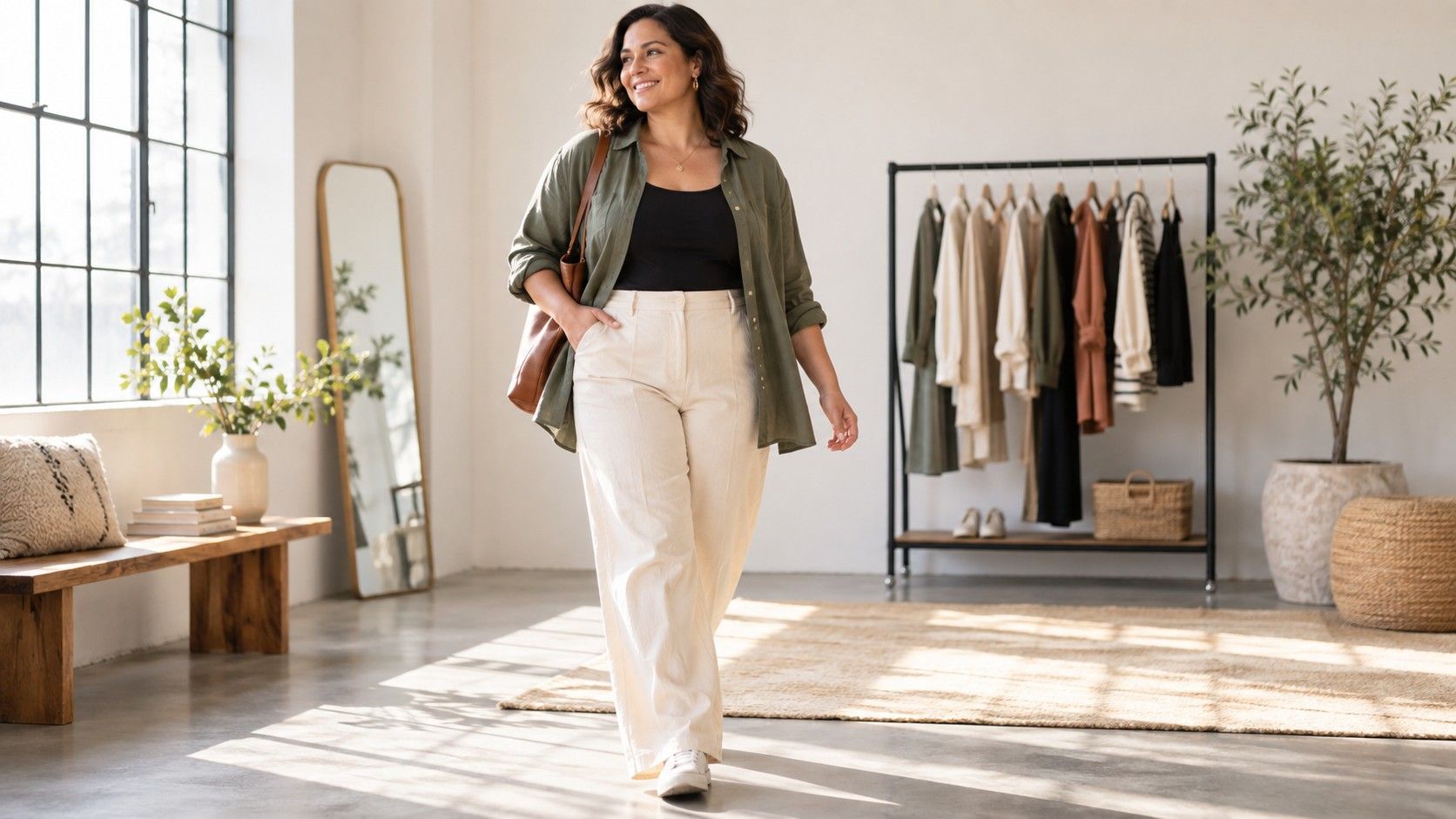
A body shape calculator can be a useful fitting shortcut, provided it stays a shortcut. The aim is not to earn a permanent label; it is to notice where garments usually pull, hang straight, or need a different cut. Four careful measurements tell a more useful story than a hurried quiz result.
What a calculator is actually comparing
Most calculators compare the relative width of your shoulders, bust, waist, and hips. They are looking for a pattern: a clearly defined waist, a fuller lower half, a straighter outline, or a stronger shoulder line. They are not measuring health, attractiveness, or the clothing you are allowed to wear.
Set up measurements you can repeat
Think of the result as a map with broad regions, not a postal address. Two people can enter nearly identical numbers and prefer completely different jackets because one has square shoulders, the other has a fuller bust, and their favourite fabrics behave differently. The label is less important than the proportions behind it.
Why close and mixed results are normal
A calculator also cannot see posture, ribcage shape, muscle distribution, or how a skirt sits after lunch. That limitation is not a flaw. It simply means the numbers should start a fitting experiment rather than end it.
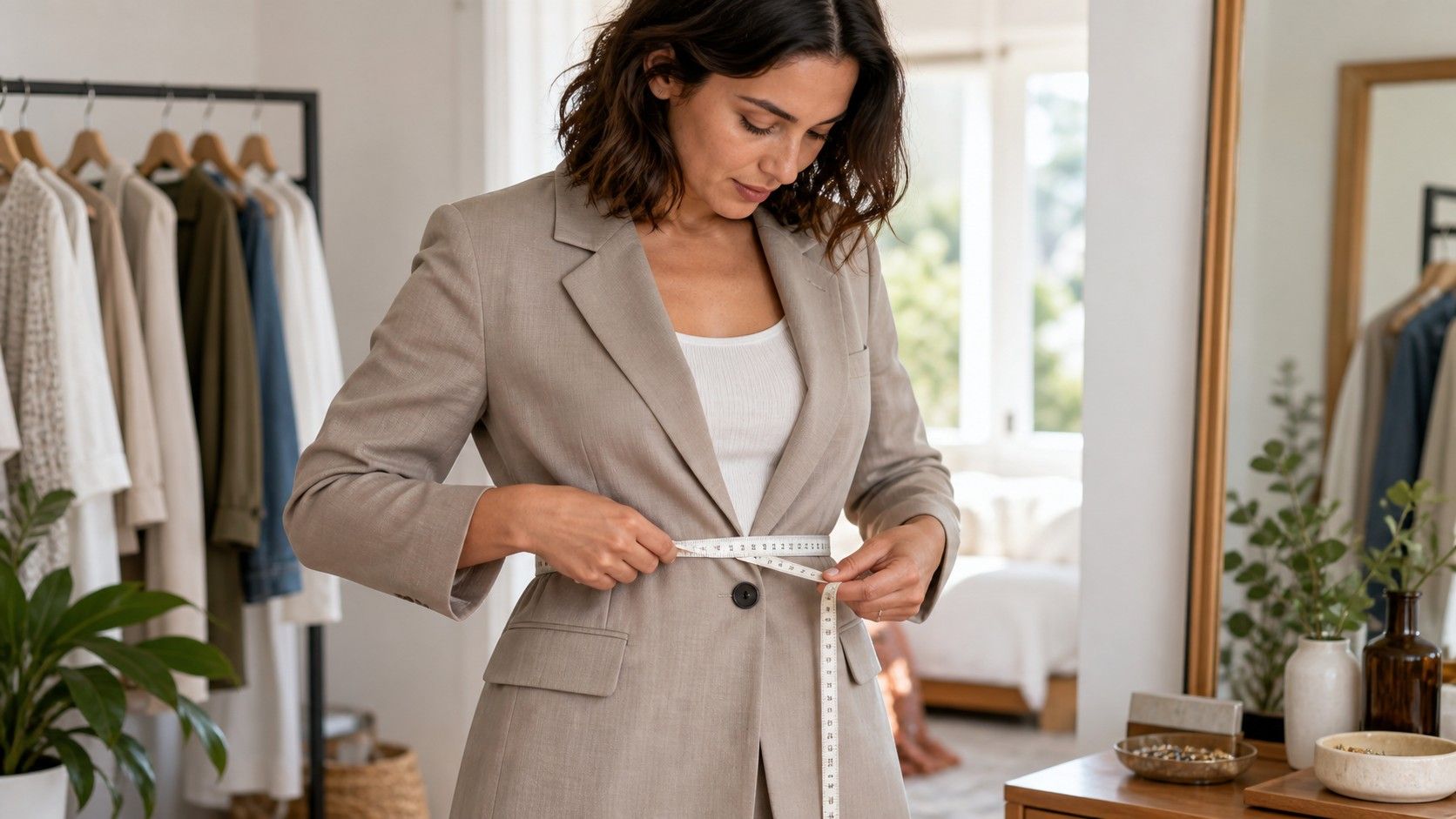
Use a flexible tape measure, a mirror, and a light layer of clothing or close-fitting underwear. Stand normally with both feet on the floor. Pulling your stomach in, lifting the shoulders, or holding the tape tight creates impressively precise-looking numbers that will not match the clothes you wear on an ordinary Tuesday.
Measure shoulders across the back from outer shoulder point to outer shoulder point; this can be easier with help from another person. For bust and hips, keep the tape level and run it around the fullest point. Find the natural waist by bending gently to one side: the small crease is usually more reliable than the waistband of whatever you happen to be wearing.
Write each number down, pause for a minute, then take it again. If the repeat differs by more than about 1 cm or half an inch, do a third pass. A soft tape slips, and a tilted mirror view can change a result more than most category cut-offs do.
| Measurement | Where the tape goes | Useful check |
|---|---|---|
| Shoulders | Across the back between outer shoulder points | Arms relaxed, tape follows the back rather than a straight diagonal |
| Bust | Around the fullest part of the chest | Tape level under the arms and easy enough to breathe |
| Waist | Around the natural waist crease | Do not use the top edge of high-rise trousers as a landmark |
| Hips | Around the fullest part of hips and seat | Turn sideways in the mirror to confirm the tape is level |
Compare proportions without chasing false precision
Enter the same unit everywhere, then look first at the broad relationships. Are shoulders and hips close? Is the waist noticeably smaller than both? Is one end of the silhouette clearly wider? Those are the questions a body shape calculator is designed to answer.
Do not treat a difference of a few millimetres as a verdict. Bodies are not flat diagrams, and calculator formulas use arbitrary thresholds. If shoulders are 40 inches and hips are 40.5, the meaningful observation is balance, not which side wins by half an inch.
Ratios can help when you are comparing your own notes over time, but they do not need to become homework. A jacket that fits the shoulders and a pair of trousers that fit the hips provide better evidence than a decimal carried to two places.
Many people land between two common labels. A defined waist may point one way while shoulder and hip measurements are nearly even; a fuller bust can change the outline in a dress without changing the hip measurement. That is a normal mixed result, not a failed calculation.
It is also normal for proportions to look different in a structured blazer, a soft T-shirt, and swimwear. Fabric weight, a bra, hem length, and a waistband all alter the visible silhouette. A category that feels accurate in one garment can be irrelevant in another.
Keep the actual numbers and add a short note such as “trousers fit hips first” or “blazer pulls at upper back.” These observations make the calculator result more practical and prevent a label from becoming a rulebook.
Turn the result into better fitting choices
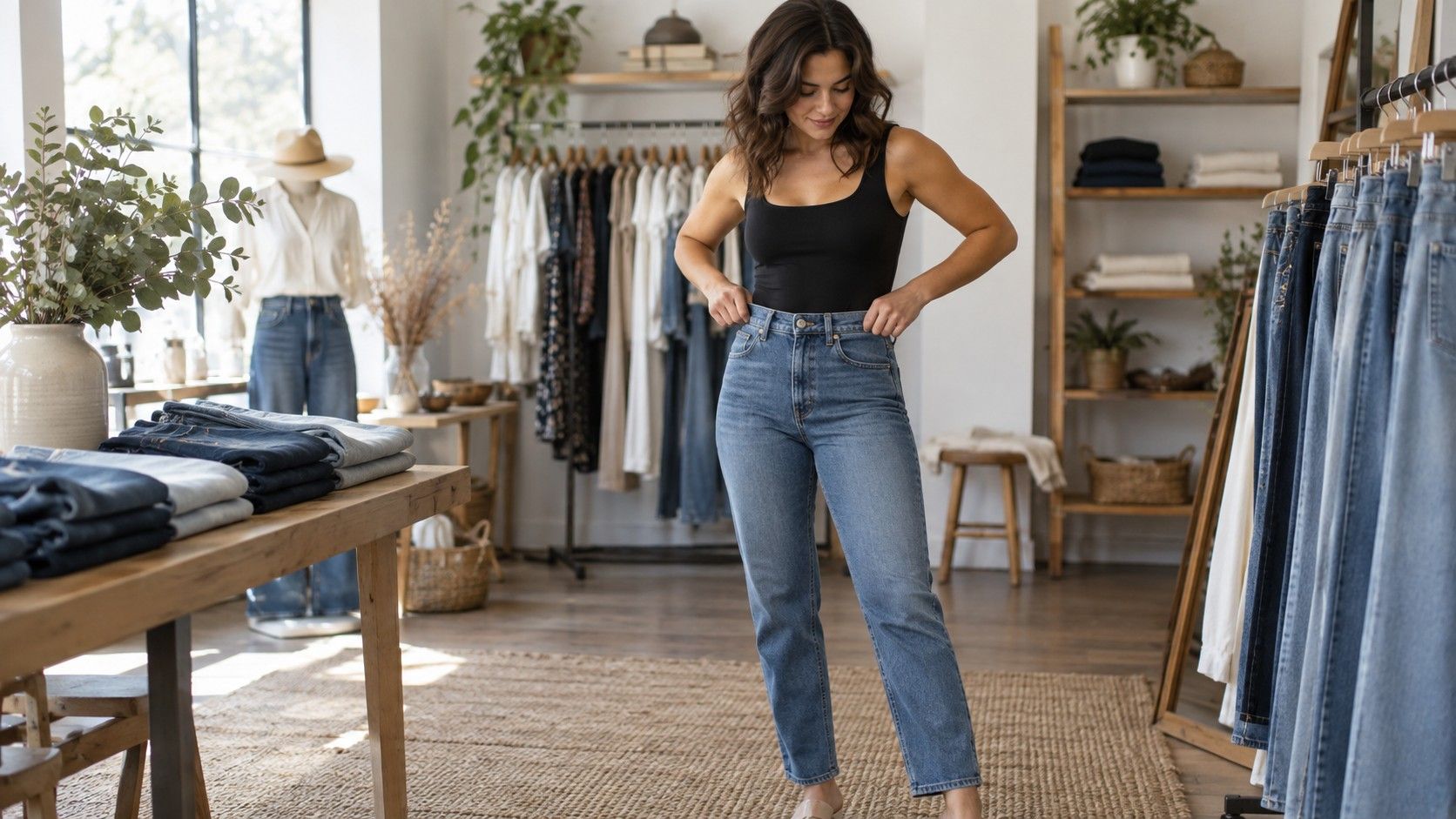
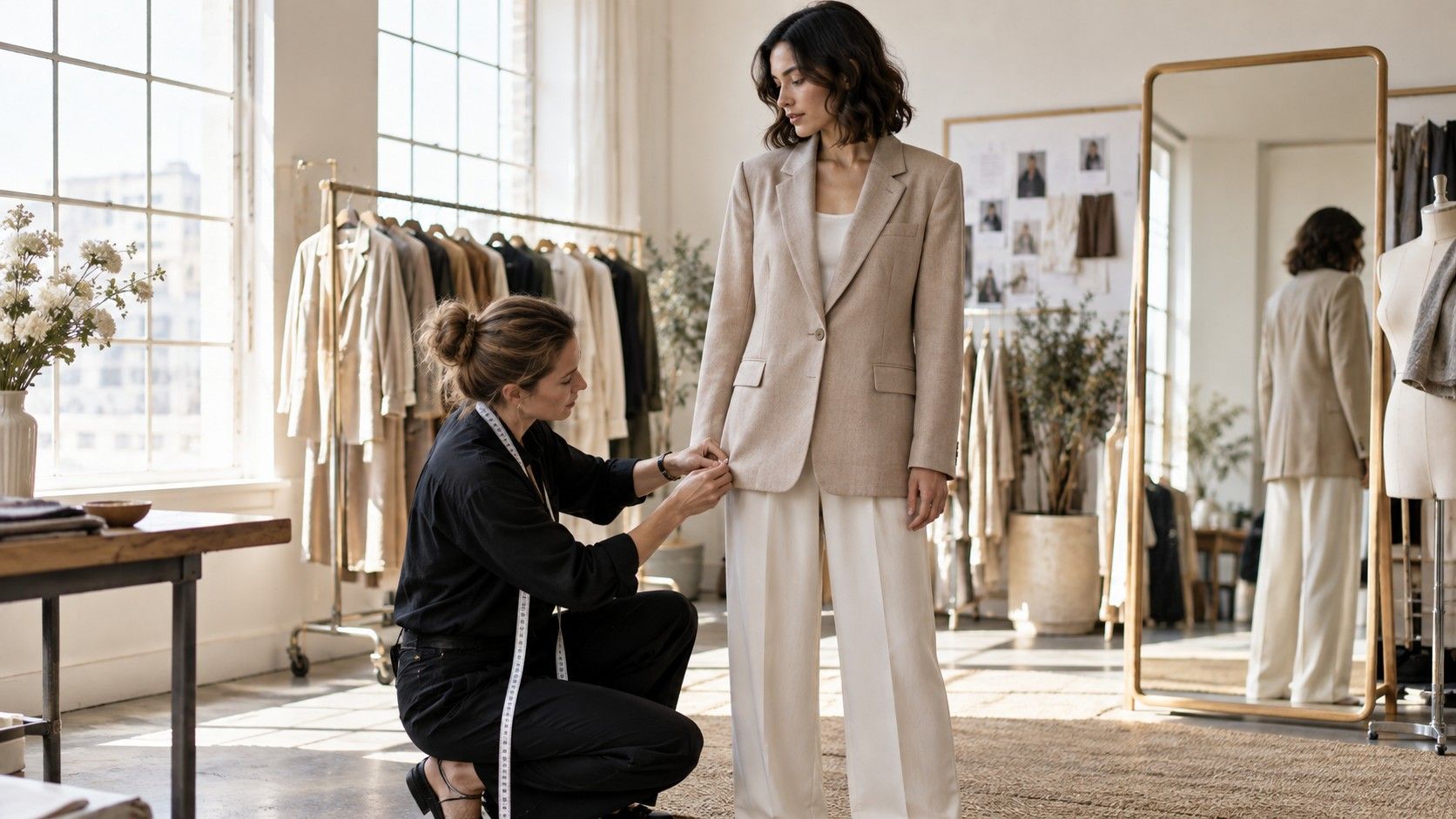
Use your measurements at the point where shopping gets frustrating. If tops fit your bust but feel tight at the shoulders, compare garment shoulder measurements before choosing a size. If dresses fit the hips but leave room at the waist, look for a seam placement that a tailor can alter simply.
When trying a new silhouette, change one thing at a time. A cropped jacket, a straighter trouser leg, or a higher waist can reveal how you like visual balance without requiring a complete wardrobe overhaul. Take a front and side photo in the same light if the mirror is making every option look mysterious.
The best outcome from calculating body shape is a quieter fitting process. You know which measurements to check, which compromises you accept, and where a garment needs to work before its colour or trend value gets a vote.
Keep the calculator result beside the brand’s garment chart, not in place of it. A coat may list shoulder width and a dress may list only bust and hip room. Compare the number that affects the garment, then allow for fabric: crisp woven cloth and ribbed jersey need different margins.
When a size falls between two measurements, decide which area cannot comfortably be altered. Shoulder seams and tight hip seams are usually harder to solve than a waist that can be taken in. This small rule is more dependable than making every purchase agree with one body-shape name.
Use your notes again after delivery. If a garment needs no tugging through a normal afternoon, record its cut and size. That evidence gradually becomes a personal calculator far more precise than any generic formula.
Use these observations as a practical fitting note when comparing a size chart, not as a restriction. Check the garment in motion, allow for fabric and ease, and retain the option that feels comfortable through a normal day. A careful repeat of this check makes shopping calmer and gives you useful evidence for the next item as well.
Keep the number or label only when it helps you make a specific choice. Personal preferences, posture, and construction remain part of the result, so there is always room to choose the cut that feels most like you.